Iirc correctly, Amazon actually doesn’t resell their returns. At least not through their storefront.
They have “return auctions” where returns are put onto a pallet and then people bid on them to purchase. Apparently this is cheaper than having a workflow for their returns, checking them to make sure they are resellable, and then stocking them back into their warehouse.
So are all these people who say they are buying from Amazon actually buying from 3rd party sellers on Amazon? I’m always confused by these stories with used items being delivered.
The principal issue is this, Amazon commingles stock. This means that there is one box for a particular SKU. If a seller sends product to Amazon for fulfillment it gets dumped into the bin with everyone else’s.
This means that if a seller sends counterfeit or poor products to Amazon it gets mixed in with the real ones from other sellers or Amazon’s own stock. This causes major problems as you can see.


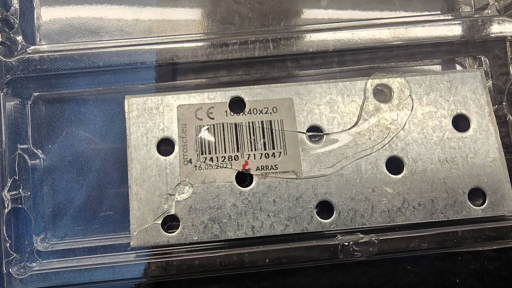
Iirc correctly, Amazon actually doesn’t resell their returns. At least not through their storefront.
They have “return auctions” where returns are put onto a pallet and then people bid on them to purchase. Apparently this is cheaper than having a workflow for their returns, checking them to make sure they are resellable, and then stocking them back into their warehouse.
So are all these people who say they are buying from Amazon actually buying from 3rd party sellers on Amazon? I’m always confused by these stories with used items being delivered.
The principal issue is this, Amazon commingles stock. This means that there is one box for a particular SKU. If a seller sends product to Amazon for fulfillment it gets dumped into the bin with everyone else’s.
This means that if a seller sends counterfeit or poor products to Amazon it gets mixed in with the real ones from other sellers or Amazon’s own stock. This causes major problems as you can see.